
EpiWatch in Action: How Real-Time Seizure Data Is Changing Epilepsy Care
At MedTech Innovator we empower healthtech companies to bring groundbreaking solutions to patients in need. Our Patient Stories series highlights the real-world clinical impact of the companies we support—showcasing how their technologies are transforming patient care, improving outcomes, and advancing healthcare. EpiWatch was a participant in the 2025 MedTech Innovator cohort.
Epilepsy affects 1 in 26 individuals in the United States, making it one of the most common neurologic disorders. Yet a significant gap remains in current care around accurate, rapid seizure detection, alerting, and monitoring. Without reliable data, clinicians are left relying on patients’ self-reported seizure activity, which is frequently inaccurate and underreports what is actually happening. These incomplete accounts still drive clinical decision-making, creating real risks for patients.
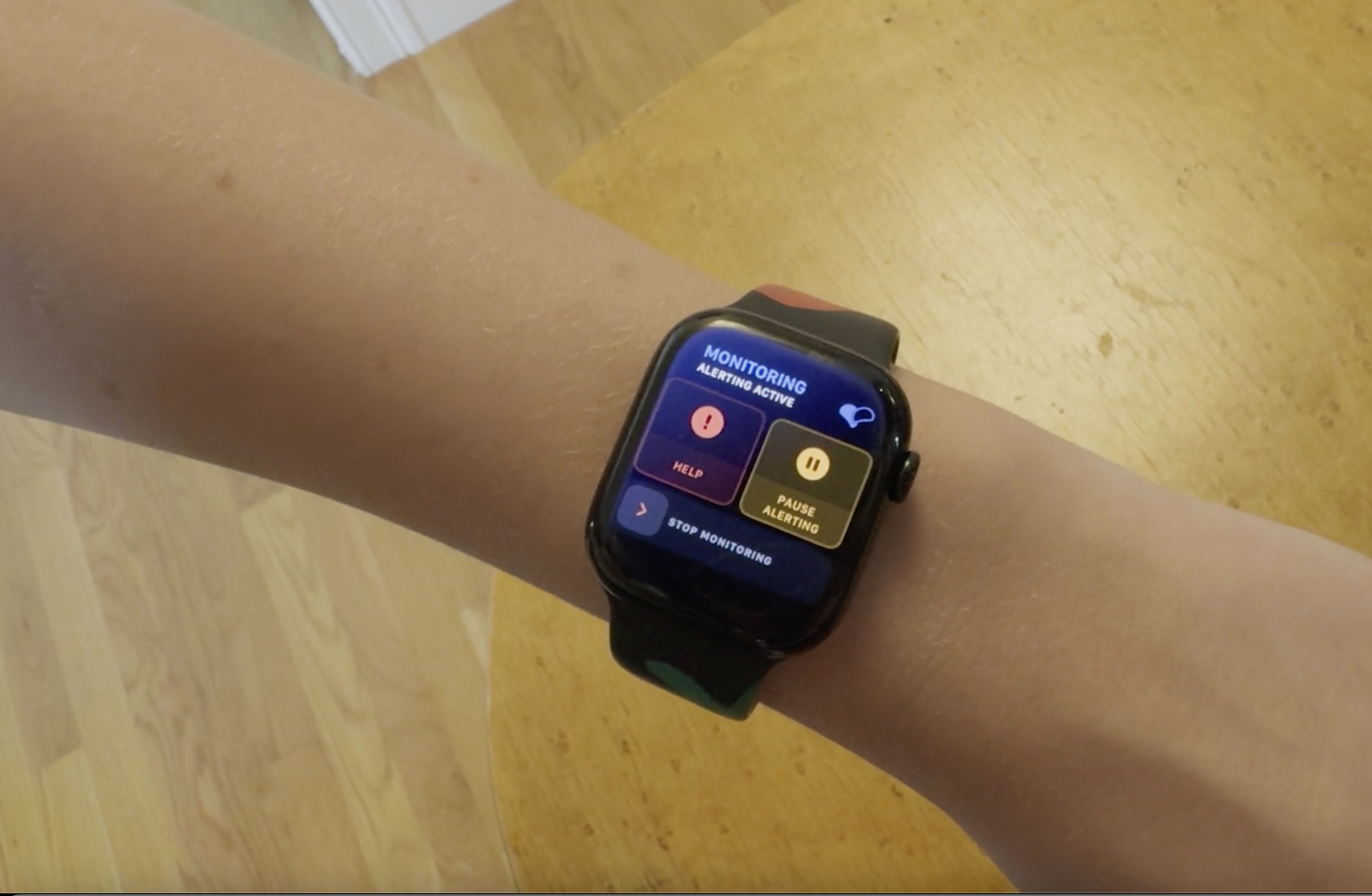
EpiWatch addresses this gap by capturing real-time, objective seizure information and automatically populating a seizure journal, giving both patients and providers a clearer picture of seizure activity as it occurs. This matters not just for clinical accuracy, but for safety. Timely seizure detection and alerting enables rapid responses that can help prevent injury and reduce the risk of Sudden Unexpected Death in Epilepsy (SUDEP).
Rose’s Story
Rose (name changed at patient request) is a 29-year-old woman who has lived with tonic-clonic seizures since she was 8 years old. To help manage her epilepsy, she has a Responsive Neurostimulator (RNS) device implanted. Like many people with epilepsy, Rose’s condition touches every part of her daily life, including her sense of independence and her family’s peace of mind.
Since beginning to use EpiWatch, Rose and her family members receive alerts when a seizure is detected, which has meaningfully reduced anxiety and allowed Rose greater freedom in her day-to-day life. But the impact has extended well beyond alerting.
Turning Data Into Clinical Action
The objective, time-stamped data captured by EpiWatch has opened a new avenue in Rose’s clinical care. Working with her clinician, Rose has been able to align EpiWatch data with information from her RNS device, tracking the precise timing of her aura, the onset of a tonic-clonic seizure following the aura, and corresponding RNS activity. This level of detail has given her care team what they need to make informed adjustments to the RNS device settings.
Rose describes the difference this has made: “Having real information to give to my doctor instead of me remembering what happened and trying to explain it has really helped to try to figure out how to adjust my RNS. I also like that my family knows when I have a seizure at work, so they worry less.”
This is exactly the kind of outcome the EpiWatch team hopes to support. As one EpiWatch leader noted, “Hearing about the impact on clinical decisions in addition to the value of seizure detection and alerting is exactly the kind of application of EpiWatch we love to hear about from EpiWatch wearers and clinicians.”
What Comes Next
Rose and her family remain enthusiastic about the alerting feature and the sense of connection it provides, knowing that loved ones are informed and that help can come quickly if needed. The RNS adjustments made based on EpiWatch data are now being monitored to assess their impact on seizure activity, and the team looks forward to sharing what Rose and her care team learn next.


