The 2026 Radar Forum Recap: Our Biggest Event Yet
April 7–9, 2025 • Westdrift Hotel, Manhattan Beach, CA
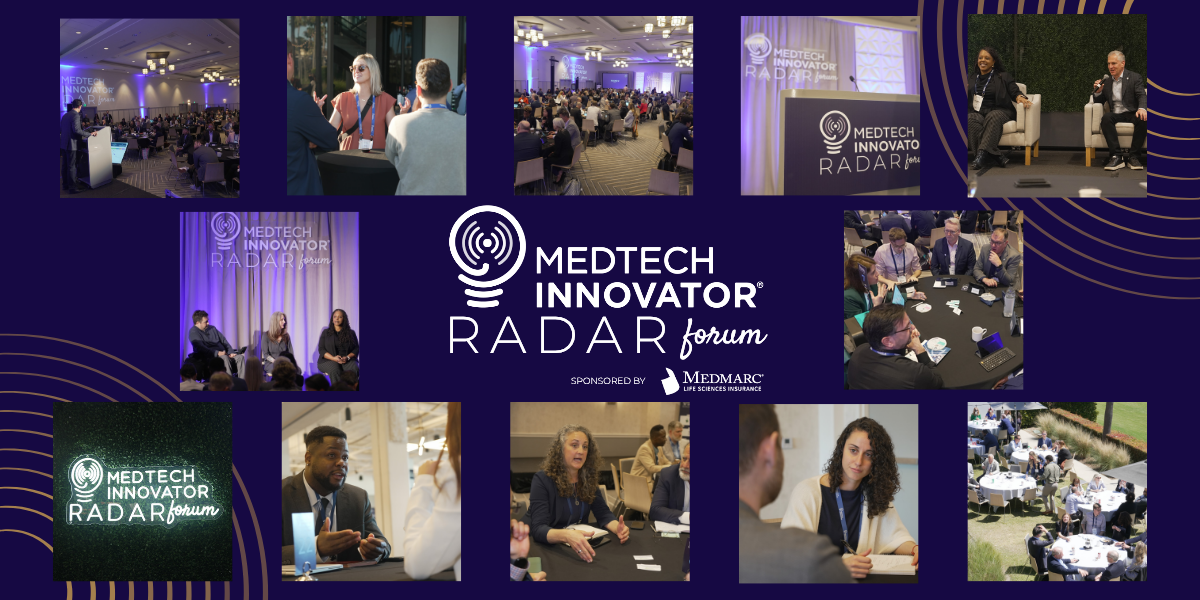
If you were at the Westdrift Hotel in Manhattan Beach earlier this month, you felt it. This year’s Radar Forum was different. Bigger. Sharper. More energized. And if you could not make it, here is what stood out and why it matters.
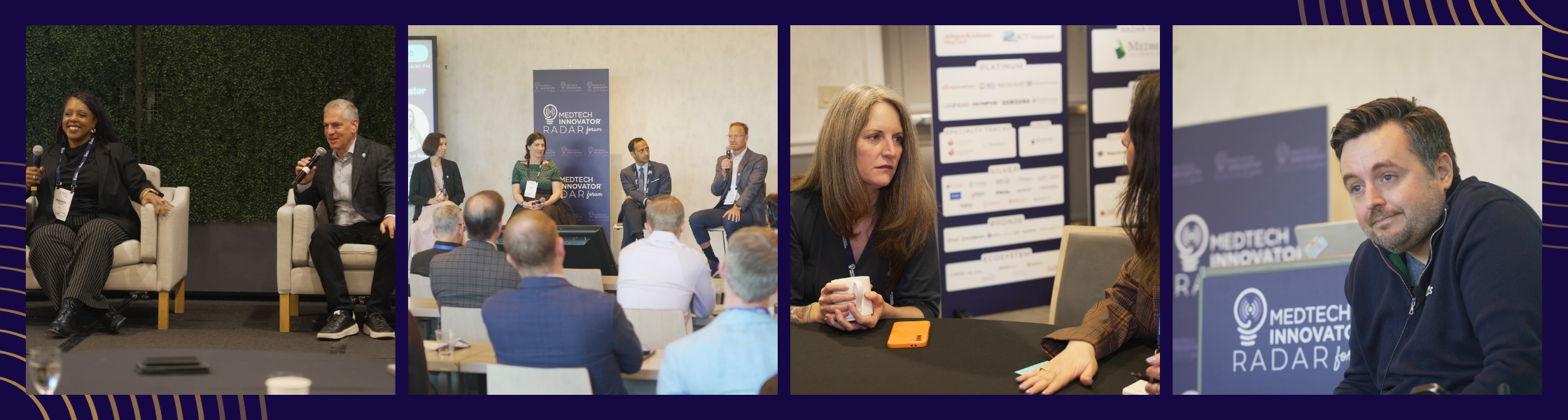
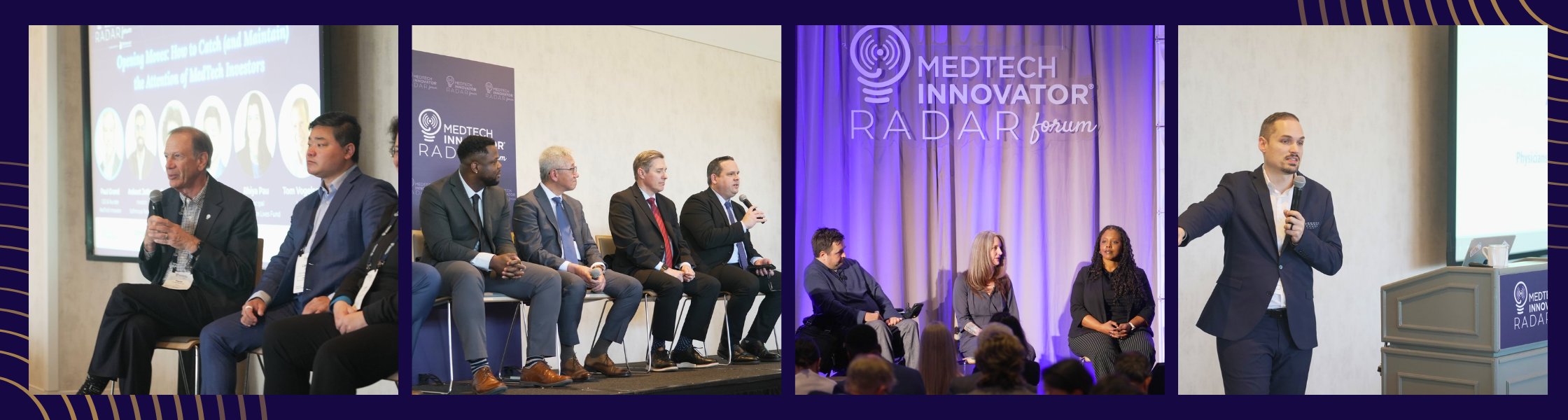
Over two and a half days, more than 140 early-stage medtech companies pitched in person, joined by dozens more virtually. Surrounding them was a dense mix of investors, regulators, clinicians, strategics, and industry experts. Altogether, it marked the largest gathering ever hosted by MedTech Innovator and one that felt deeply purposeful from start to finish.
This was not another industry event. It was a working session for the future of medtech
The Radar Process: Structured, Serious, and Scaled
At the center of the forum is the Radar process, a multi-round evaluation designed to identify the most promising companies for MTI’s accelerator.
Radar did not emerge overnight. It is the evolution of MedTech Innovator’s former Road Tour, a series of pitch events held across multiple cities and virtually. While the Road Tour built reach and surfaced strong companies, the shift to the Radar Forum reflects a more intentional model. It brings the entire ecosystem into one place, at one time, and evaluates companies through a structured, data-driven lens.
That evolution is clear in the scale.
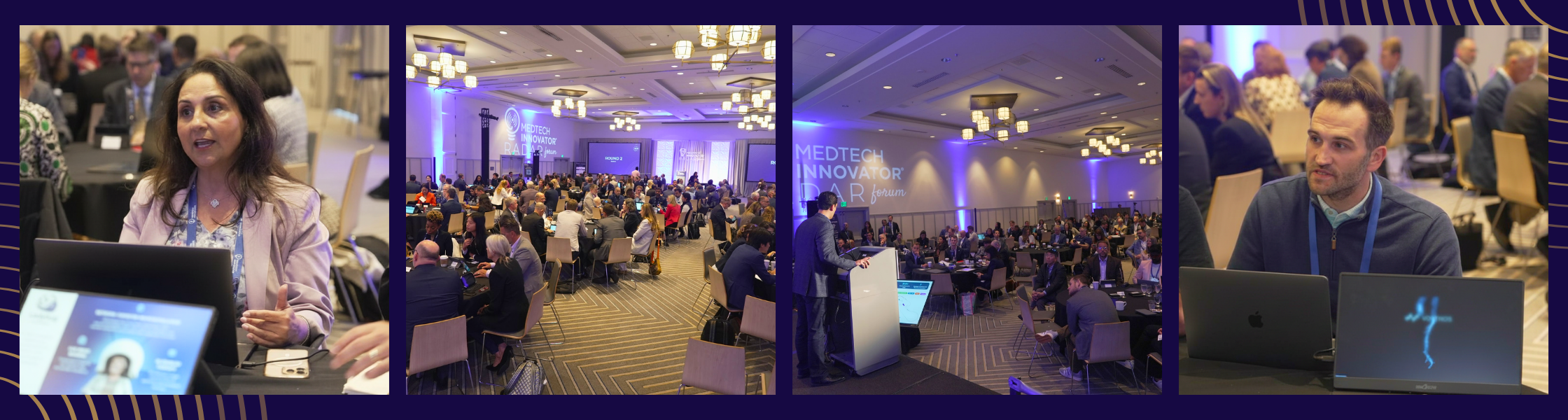
This year, 143 companies pitched live across five rounds, with another 60 presenting virtually. In total, more than 200 companies moved through the process. That scale alone is impressive, but what matters more is how it’s done.
Radar is not a pitch competition. There is no grand stage and no final winner. Instead, it is a rigorous, feedback-driven system. Founders received direct, often unfiltered input from people who understand what it takes to bring a medical technology to market. At the same time, every interaction feeds into MTI’s internal selection process.
The goal is simple but demanding: identify companies that are not just innovative, but ready.
The Judges: Real Stakeholders, Real Insights
The strength of Radar comes down to who is in the room. This year, the depth of expertise stood out.
Evaluators included practicing clinicians, regulatory experts including FDA, CMS, and AMA officials, investors, strategics, consultants, and representatives from professional societies and patient advocacy groups. These were not generalists. They were practitioners.
For founders, that changes everything. They were not pitching to a theoretical audience. They engaged directly with the people they will eventually need to convince, partner with, and rely on. For many companies, that level of access and the quality of feedback that came with it was as valuable as the process itself.
What the Ecosystem Is Actually Saying
Beyond the pitches, one of the most valuable aspects of the forum is the clarity it brings. Across panels, programming, and side conversations, several themes emerged.
Regulatory: Start earlier and think bigger
The FDA’s message was direct. Engage early, and don’t treat regulatory strategy as a box to check.
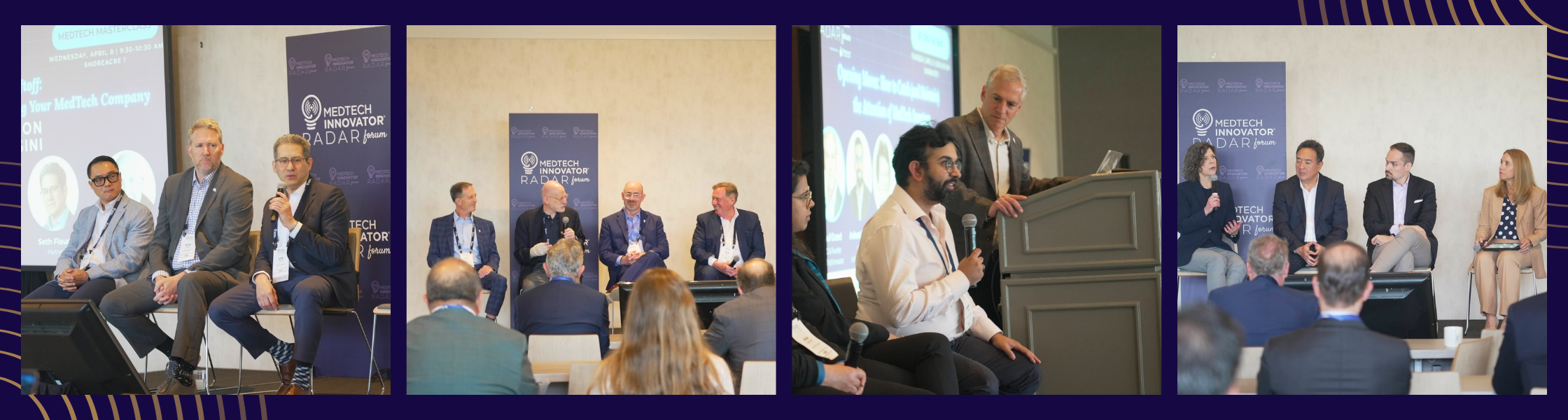
That perspective was reinforced by keynote speaker Dr. Michelle Tarver, Director of the Center for Devices and Radiological Health at the FDA. She emphasized the importance of aligning innovation with real-world patient impact from the outset, not just at the point of clearance.
Programs like TAP, led by April Marrone, are designed to bring payers, clinicians, and other stakeholders into the process earlier. The goal is to break down traditional silos that slow adoption and create avoidable downstream risk.
A consistent reality check emerged. Many devices do not fail because the technology is flawed. They fail because reimbursement, adoption, and workflow risks were not addressed early enough.
Payers: Clinical utility Is the everything
Getting a CPT code does not guarantee coverage. Getting coverage does not guarantee payment. Coding, coverage, and payment are separate hurdles, and clearing one does not ensure the next.
This point was underscored by Brian Waldersen, Director of the Division of Specialty Payment Models at the Center for Medicare and Medicaid Innovation, and Zach Hochstetler, Vice President of CPT Coding and Payment at the American Medical Association. Both emphasized how structured and demanding the pathway truly is.
For payers like Medicare, the expectation is clear. Show measurable improvements in patient outcomes. Not efficiency gains, but rather outcomes. Reductions in readmissions, emergency visits, and downstream utilization. Evidence that technology moves the needle at scale.
With value-based care initiatives like CMS’s ACCESS model gaining traction, the shift toward sustained outcomes over fee-for-service logic is accelerating. Commercial organizations such as Kaiser Permanente reinforced the same message. Solutions must be scalable, impactful, and designed to solve systemic problems across large populations.
Health systems: Start with the patient, not the product
Health system leaders, including the business development team from Mayo Clinic, emphasized a foundational principle. Begin with real patient needs.
For innovators, this means listening to clinical champions before assuming you understand the problem. Clinical partnerships can open unexpected doors. Some of the most valuable moments at Radar Forum came from these conversations. For example, a neural stimulation technology designed for insomnia revealed potential applications for patients with concurrent obstructive sleep apnea.
That kind of insight does not come from a pitch. It comes from dialogue.
Health systems are eager to co-develop and sponsor research. The winning posture for founders is flexibility. Listen more than you talk. Earn clinical alignment before moving forward.
Investors: Build for the whole ecosystem
Investors were candid about a common mistake. Founders often design clinical trials only for regulatory clearance.
That is not enough.
Investors want to see studies designed to generate data for payers, specialty societies, and the CPT editorial panel at the same time. The most investable companies demonstrate that they have anticipated ecosystem risk and mapped their post-clearance commercialization and reimbursement pathways.
They want to know exactly how the technology creates value and for whom.
Do not optimize for a single milestone. Build for the system.
Alumni: Lean into the community
Alumni founders offered the most practical advice: to lean in.
The more honest and open you are, the more valuable the MTI experience becomes. The most successful founders are willing to surface their biggest challenges, engage deeply in feedback, and treat every stakeholder conversation as a rehearsal for the real world.
The MTI community is a resource. Use it.
Beyond the Pitches: Real Connections
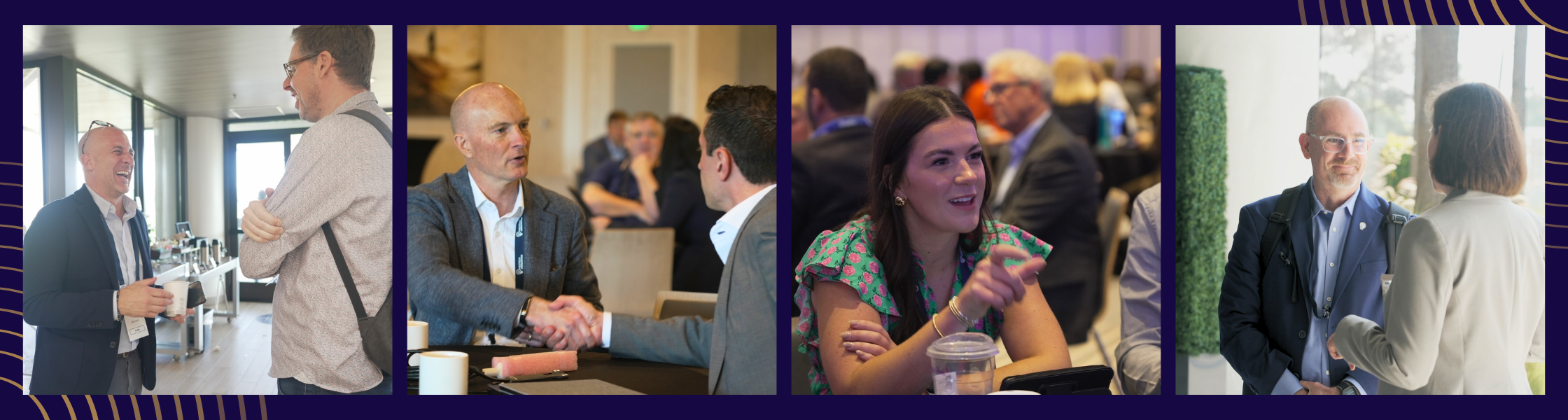
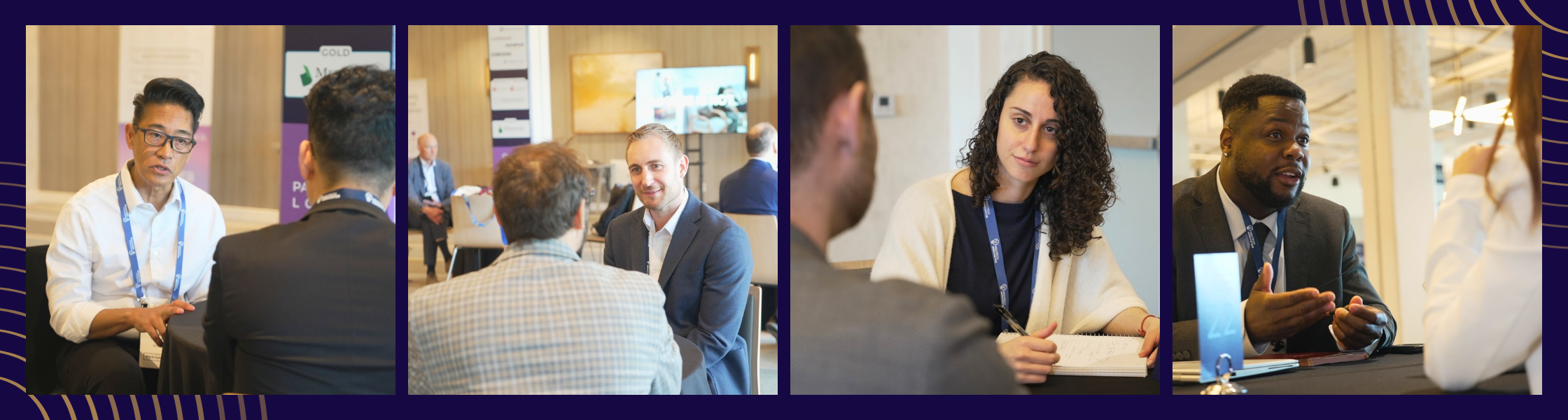
For the first time, MTI introduced parallel partnering. More than 300 one-on-one meetings took place over three days. These were not casual introductions. They were structured conversations between founders, investors, partners, and collaborators. For many companies, they marked the beginning of relationships that could shape their trajectory.
Some of the most meaningful interactions happened outside formal sessions. Game Night on Day 1 set the tone with a high-energy, informal kickoff. Day 2’s reception created space for deeper connection. And for those who stayed through the end, a walk to the Manhattan Beach Pier offered a quiet, reflective close.
The evaluation process is central, but Radar Forum is just as much about connection.
What’s Next
MTI’s team is now deep in the evaluation process, reviewing data from every Radar pitch to inform cohort selection for the accelerator program. Cohort announcements are expected in early May.
Looking ahead, the Radar Forum will return in April 2027. If this year is any indication, it will continue to grow in both scale and impact.
Thank you to every founder who pitched, every judge who evaluated, every partner and sponsor who made it possible, and every attendee who showed up and engaged. You’re what makes this community work.


