
Cooler Heads: How Scalp Cooling Is Changing the Experience of Chemotherapy
For many patients, losing their hair is one of the hardest parts of chemotherapy. Cooler Heads’ portable Amma scalp cooling system helped one breast cancer patient keep her hair, and her privacy, through six rounds of treatment.
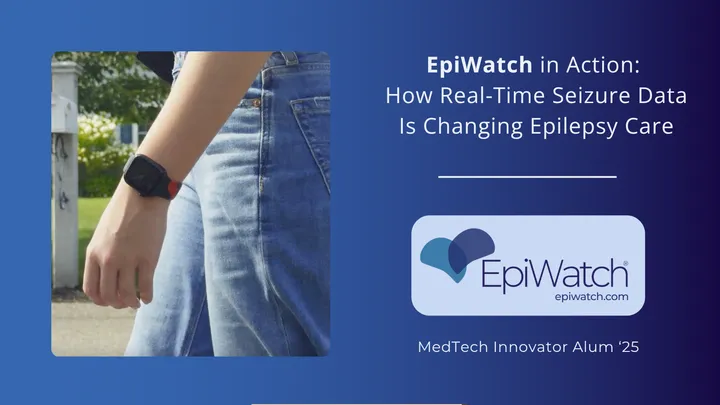
EpiWatch in Action: How Real-Time Seizure Data Is Changing Epilepsy Care
For Rose, who has lived with seizures since she was 8, EpiWatch’s real-time alerts brought her family peace of mind and gave her care team the objective data they needed to fine-tune her implanted neurostimulator.
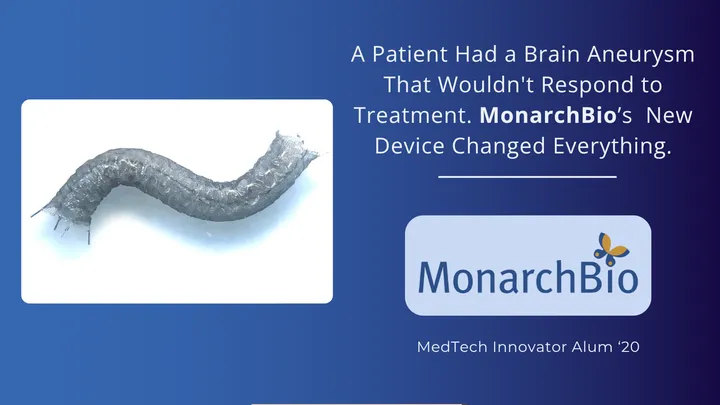
A Patient Had a Brain Aneurysm That Wouldn’t Respond to Treatment. MonarchBio’s New Device Changed Everything.
A 74-year-old woman's giant brain aneurysm kept growing despite treatment with the gold-standard flow diverter. A rescue procedure with MonarchBio's Titan stent sealed it within four weeks, and her symptoms fully resolved.
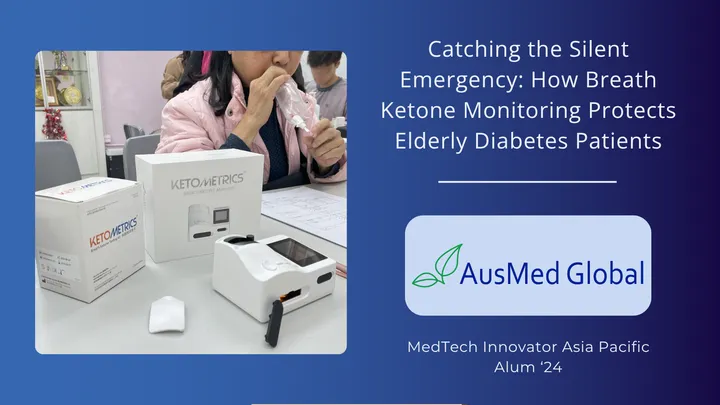
Catching the Silent Emergency: How Breath Ketone Monitoring Protects Elderly Diabetes Patients
In a Hong Kong community study, two-thirds of older adults with Type 2 diabetes had never heard of diabetic ketoacidosis. AusMed Global’s KetoMetrics® breath test offers a painless way to catch it early.
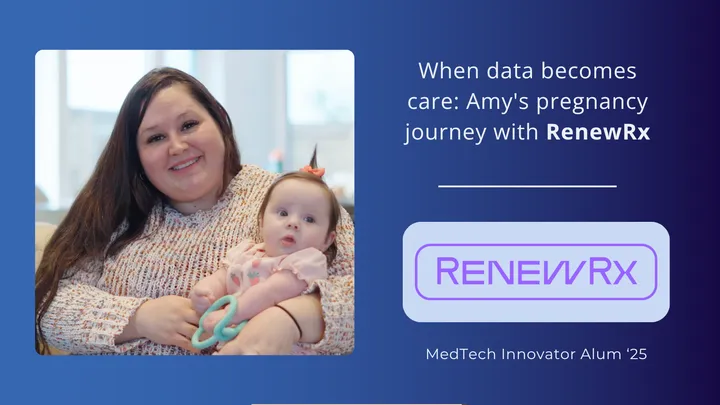
When data becomes care: Amy’s pregnancy journey with RenewRx
Managing diabetes through a high-risk pregnancy left Amy with scattered data and slow feedback. RenewRx turned her real-time numbers into clear, actionable care, keeping her glucose in range more than 50% better with less insulin.
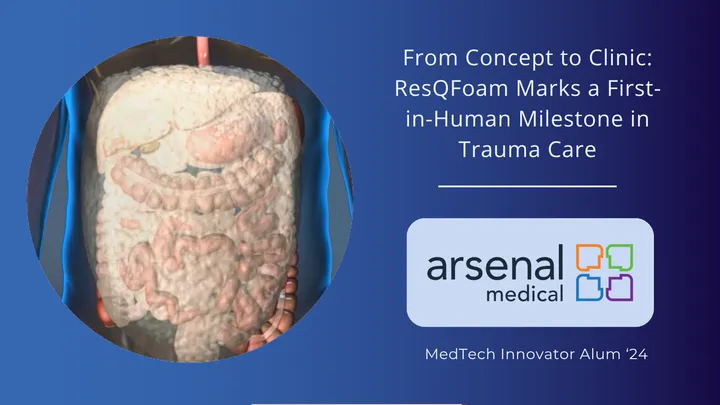
From Concept to Clinic: ResQFoam™ Marks a First-in-Human Milestone in Trauma Care
In the REVIVE trial, Arsenal Medical's ResQFoam was used in a human patient for the first time, stabilizing a 34-year-old man in hemorrhagic shock long enough to reach surgery. He survived.
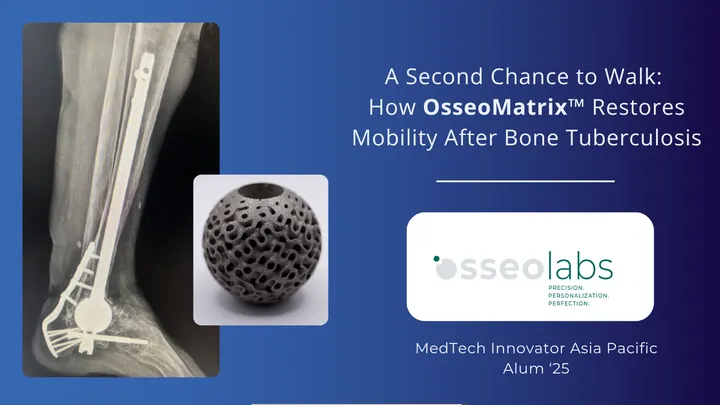
A Second Chance to Walk: How OsseoMatrix™ Restores Mobility After Bone Tuberculosis
After five failed surgeries for bone tuberculosis in her ankle, a hairstylist received a patient-specific OsseoMatrix™ implant from OsseoLabs. Within 10 months she was walking daily and back at work.
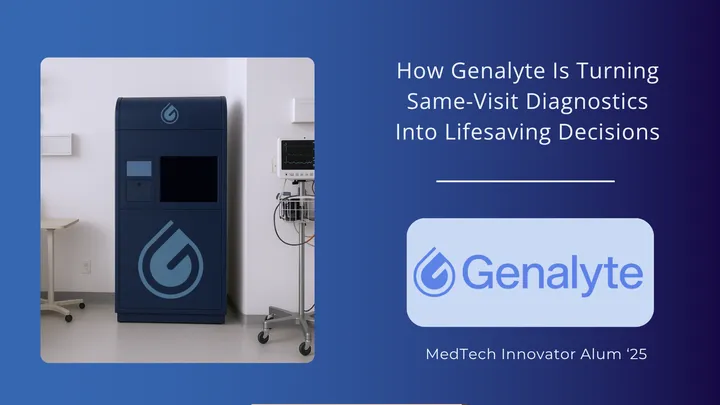
How Genalyte Is Turning Same-Visit Diagnostics Into Lifesaving Decisions
A 74-year-old man who came in expecting antibiotics for a cold was instead sent to the hospital for early sepsis, thanks to same-visit lab results from Genalyte's Merlin point-of-care platform.
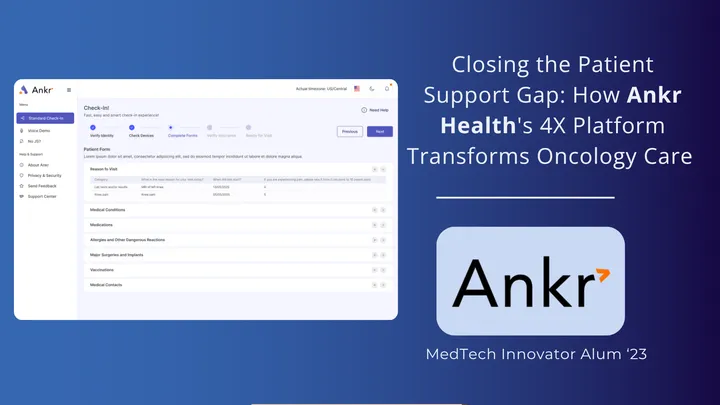
Closing the Patient Support Gap: How Ankr Health’s 4X Platform Transforms Oncology Care
Deborah, 67, was struggling with chemotherapy side effects she couldn't interpret. Ankr Health's 4X platform caught her worsening nausea and alerted her nurse before she realized how bad it had become.
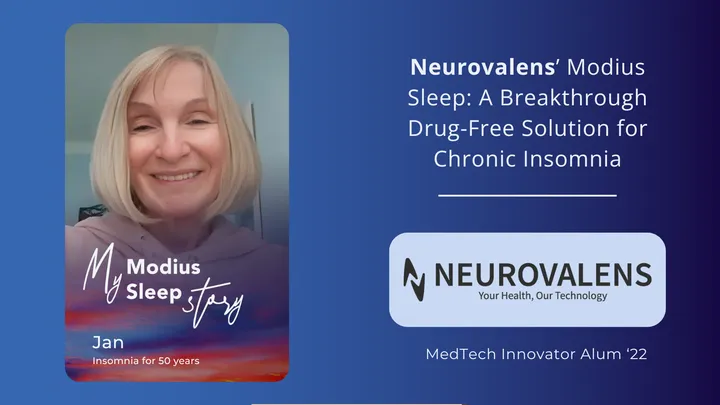
Neurovalens’ Modius Sleep: A Breakthrough Drug-Free Solution for Chronic Insomnia
Jan had lived with chronic insomnia since the 1970s and tried nearly everything. With Neurovalens' drug-free Modius Sleep headset, she went from a few hours a night to a full night's sleep.
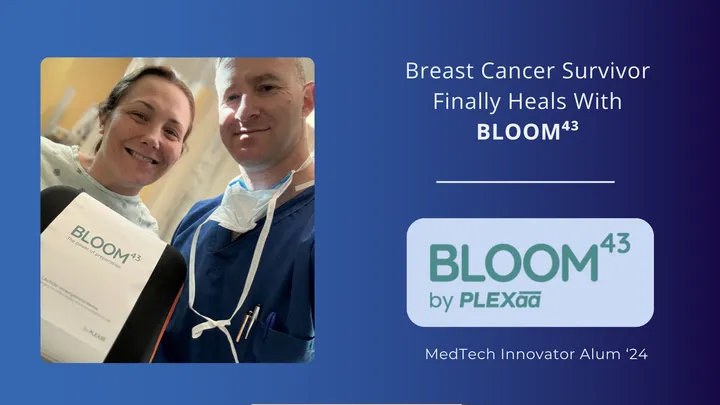
Breast Cancer Survivor Finally Heals With BLOOM⁴³
After eight breast surgeries and repeated healing complications, Nichole became the first patient in the U.S. to prepare for surgery with Plexaa's BLOOM⁴³ — and finally recovered without complications.
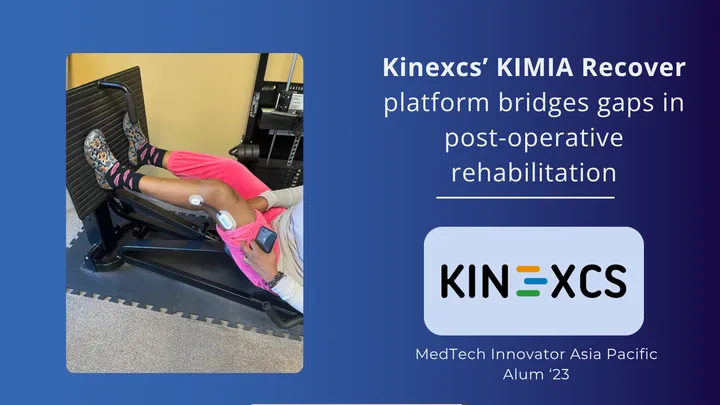
Kinexcs’ KIMIA Recover platform bridges gaps in post-operative rehabilitation
After a double knee replacement, Madam R had little access to physiotherapy. Kinexcs' KIMIA Recover gave her structured, gamified rehab at home with real-time progress tracking.
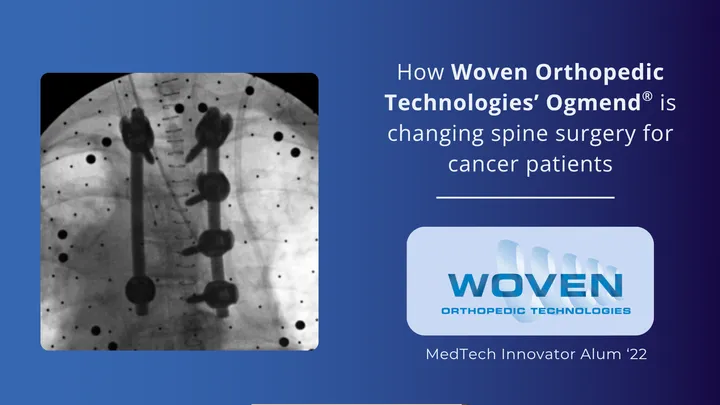
How Woven Orthopedic Technologies’ Ogmend® is changing spine surgery for cancer patients
When multiple myeloma spread to Margaret's spine, her fragile bone made surgery risky. Woven Orthopedic Technologies' Ogmend® sleeves gave her surgeons stable fixation, and her spine was stabilized.
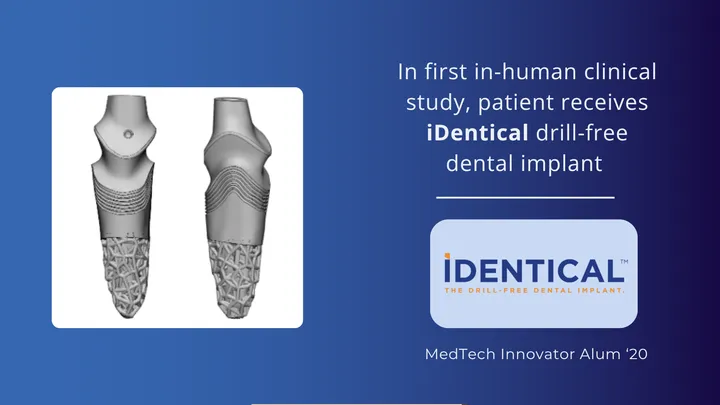
In first in-human clinical study, patient receives iDentical drill-free dental implant
In a first-in-human clinical study, a patient received iDentical's drill-free dental implant. Two years later, the implant remains healthy and secure with no complications.
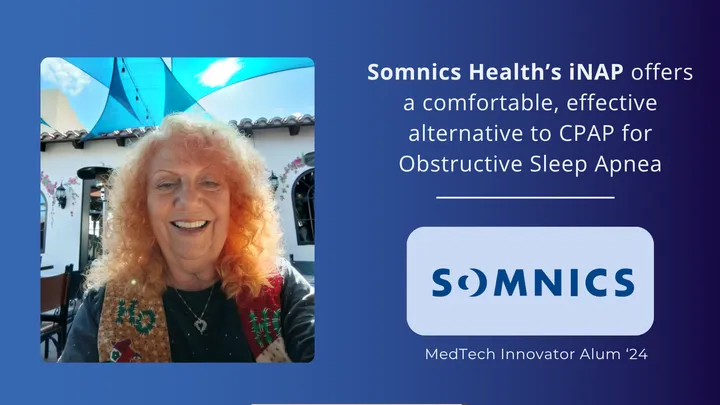
Somnics Health’s INAP offers a comfortable, effective alternative to CPAP for Obstructive Sleep Apnea
A 76-year-old woman with severe sleep apnea couldn't tolerate CPAP. With Somnics Health's mask-free iNAP, her apnea dropped to mild, her AFib symptoms faded and her blood pressure normalized.

Bloom Standard expands access to infant ultrasound for faster diagnosis and better outcomes
Ten days after birth, baby Tensma was feeding poorly and grunting while nursing. A one-minute bedside scan with Bloom Standard's RAPIDscan flagged her heart in time for urgent specialist care and surgery.
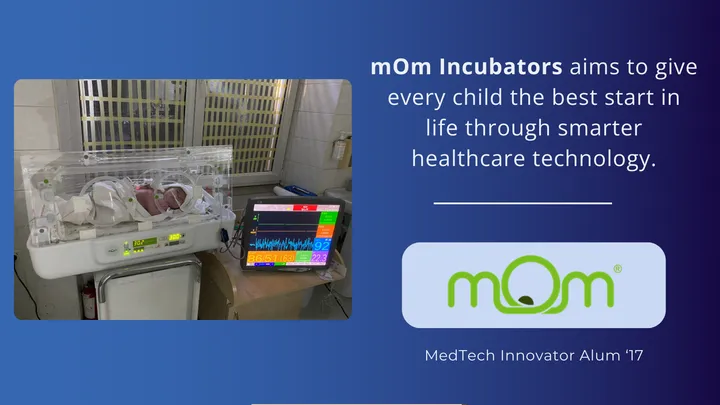
mOm Incubators aims to give every child the best start in life through smarter healthcare technology
mOm Incubators' portable Essential Incubator lets newborns be cared for anywhere in a hospital, keeping families together. It has reached more than 11,000 babies in 6 countries.
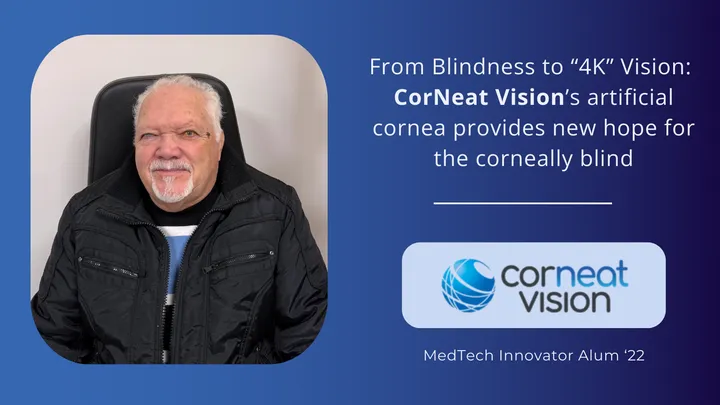
From Blindness to “4K” vision: CorNeat Vision’s artificial cornea provides new hope for the corneally blind
Blind after six failed corneal transplants, Patrick became the first patient in the CorNeat KPro clinical trial. Nine months later he has 20/16 vision and has seen his youngest daughter for the first time.
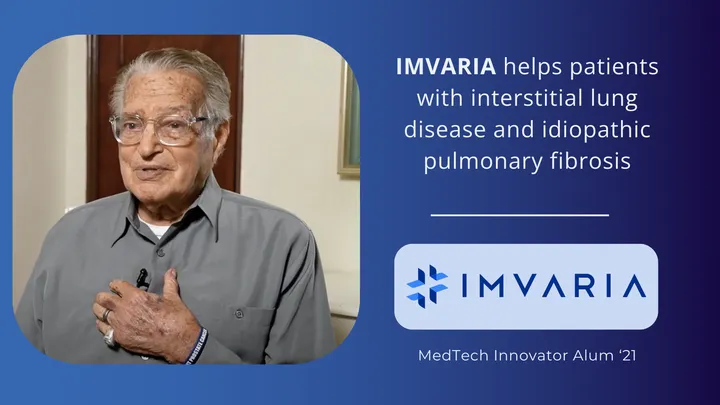
IMVARIA helps patients with interstitial lung disease and idiopathic pulmonary fibrosis
Patients with serious lung disease share how IMVARIA's AI tools, Fibresolve and ScreenDx, helped them get a correct diagnosis faster — and avoid treatment they didn't need.